

What are Flanders Fields? Learn the History Of These WW1 Battlefields
Experience the history of Flanders Fields firsthand. Book your trip to Belgium today for a deeply moving journey of remembrance.
Help - Pets
Pets
Please enter the number of pets you are travelling with. 'Pet Lounge' and 'Pet in car' options can be added to your booking in the Add Ons section.
Maximum 5 dogs per booking. We do not transport any UK banned breeds of dogs on our vessels.
Please do not add your guide dog here, this should be selected from the Special Assistance drop down menu below. For more information visit our Pet Page.
Help - Pets
Pets
Please enter the number of pets you are travelling with. 'Pet Lounge' and 'Pet in car' options can be added to your booking in the Add Ons section.
Maximum 5 dogs per booking. We do not transport any UK banned breeds of dogs on our vessels.
Please do not add your guide dog here, this should be selected from the Special Assistance drop down menu below. For more information visit our Pet Page.
Help - Pets
Small dog
Small Dog less than 20kg. For more information on travelling with your pet, visit our dedicated page here.Help - Pets
Large dog
Medium Dog 20kg to 35kg. For more information on travelling with your pet, visit our dedicated page here.Help - Pets
Extra large dog
Large Dog 36kg to 45kg. For more information on travelling with your pet, visit our dedicated page here.Help - Pets
Small Pet
Cat or Ferret. For more information on travelling with your pet, visit our dedicated page here.Help - Pets
Other pet
Please contact our friendly customer service team on +44 (0)1304 44 88 88 to ensure we can accommodate your pet.Help - Pets
Small dog
Small Dog less than 20kg. For more information on travelling with your pet, visit our dedicated page here.Help - Pets
Large dog
Medium Dog 20kg to 35kg. For more information on travelling with your pet, visit our dedicated page here.Help - Pets
Extra large dog
Large Dog 36kg to 45kg. For more information on travelling with your pet, visit our dedicated page here.Help - Pets
Small Pet
Cat or Ferret. For more information on travelling with your pet, visit our dedicated page here.Help - Pets
Other pet
Please contact our friendly customer service team on +44 (0)1304 44 88 88 to ensure we can accommodate your pet.Help - Pets
Pet Staying in Car
On our Cairnryan to Larne route pets are welcome and can travel free of charge at all times. Maximum 5 pets per booking. Please note, pets must remain in the vehicle at all times during the crossing. Commercial pet travel should be booked via our freight website, for more information and guidance on if your journey is commercial, please click here.Help - Pets
Pet Staying in Car
On our Cairnryan to Larne route pets are welcome and can travel free of charge at all times. Maximum 5 pets per booking. Please note, pets must remain in the vehicle at all times during the crossing. Commercial pet travel should be booked via our freight website, for more information and guidance on if your journey is commercial, please click here.Please note
More than 9 of you travelling?
Please contact our friendly customer service team on
Special assistance required
Please select one of the options from the drop down menu. If you are travelling on our Dover to Calais route as a foot passenger and have selected the need for special assistance, please ensure you inform us of your needs at least 48hrs in advance of travel. If you need to speak with our contact centre please call
Vehicle size (Including roof luggage)
Vehicle size (Including roof luggage)
Vehicle size (Including roof luggage)
Vehicle size (Including roof luggage)
Trailer/Caravan Size
Trailer/Caravan Size
Trailer/Caravan Size
Trailer/Caravan Size
Vehicle size (Including roof luggage)
Vehicle size (Including roof luggage)
Vehicle size (Including roof luggage)
Vehicle size (Including roof luggage)
Trailer/Caravan Size
Trailer/Caravan Size
Trailer/Caravan Size
Trailer/Caravan Size
Vehicle size (Including roof luggage)
Vehicle size (Including roof luggage)
Vehicle size (Including roof luggage)
Vehicle size (Including roof luggage)
Trailer/Caravan Size
Trailer/Caravan Size
Trailer/Caravan Size
Trailer/Caravan Size
Vehicle size (Including roof luggage)
Vehicle size (Including roof luggage)
Vehicle size (Including roof luggage)
Vehicle size (Including roof luggage)
Trailer/Caravan Size
Trailer/Caravan Size
Trailer/Caravan Size
Trailer/Caravan Size
Vehicle size (Including roof luggage)
Vehicle size (Including roof luggage)
Vehicle size (Including roof luggage)
Vehicle size (Including roof luggage)
Trailer/Caravan Size
Trailer/Caravan Size
Trailer/Caravan Size
Trailer/Caravan Size
Trailer/Caravan Size
Trailer/Caravan Size
Vehicle size (Including roof luggage)
Vehicle size (Including roof luggage)
Vehicle size (Including roof luggage)
Vehicle size (Including roof luggage)
Trailer/Caravan Size
Trailer/Caravan Size
Trailer/Caravan Size
Trailer/Caravan Size
Trailer/Caravan Size
Trailer/Caravan Size
Please contact our friendly customer service team on
Please select one of the options from the drop down menu. If you are travelling on our Dover to Calais route as a foot passenger and have selected the need for special assistance, please ensure you inform us of your needs at least 48hrs in advance of travel. If you need to speak with our contact centre please call
Please contact our friendly customer service team on
Please enter the number of pets you are travelling with. 'Pet Lounge' and 'Pet in car' options can be added to your booking in the Add Ons section.
Maximum 5 dogs per booking. We do not transport any UK banned breeds of dogs on our vessels.
Please do not add your guide dog here, this should be selected from the Special Assistance drop down menu below. For more information visit our Pet Page.
Please enter the number of pets you are travelling with. 'Pet Lounge' and 'Pet in car' options can be added to your booking in the Add Ons section.
Maximum 5 dogs per booking. We do not transport any UK banned breeds of dogs on our vessels.
Please do not add your guide dog here, this should be selected from the Special Assistance drop down menu below. For more information visit our Pet Page.
Please select one of the options from the drop down menu. If you are travelling on our Dover to Calais route as a foot passenger and have selected the need for special assistance, please ensure you inform us of your needs at least 48hrs in advance of travel. If you need to speak with our contact centre please call
Please contact our friendly customer service team on
Please select one of the options from the drop down menu. If you are travelling on our Dover to Calais route as a foot passenger and have selected the need for special assistance, please ensure you inform us of your needs at least 48hrs in advance of travel. If you need to speak with our contact centre please call
Flanders Field in Belgium is one of the most poignant and historic experiences a visitor can explore. Between 1914 and 1918, this region saw some of the largest and most devastating battles of the First World War. Today, it stands as a global symbol of remembrance, drawing visitors from around the world to its museums, monuments, and tranquil cemeteries.
Take a day trip or spend a weekend in Flanders, Belgium, to discover the history, stories, and commemorations behind the Great War. From walking the Ypres battlefield to exploring the renowned In Flanders Fields Museum, there are countless ways to learn and pay tribute to the millions of soldiers and civilians who lost their lives.
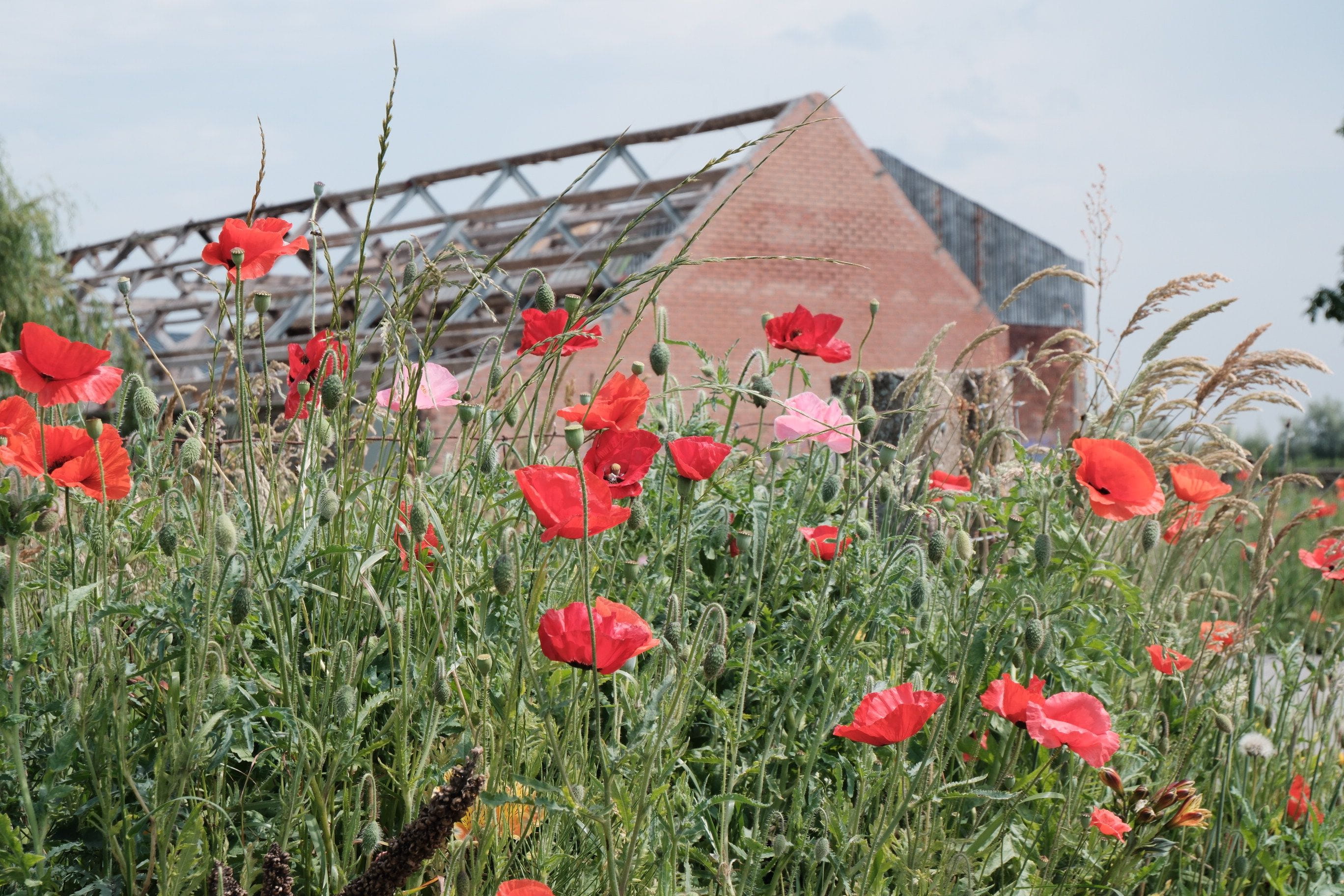
Flanders Fields is not a single park or field; rather, it is a region in western Flanders, Belgium (specifically the province of West Flanders), extending into northwestern France. The heart of this historic area is the city of Ypres (Ieper). The landscape that was once completely devastated by trench warfare is now a peaceful, picturesque countryside dotted with over a hundred military cemeteries and memorials.
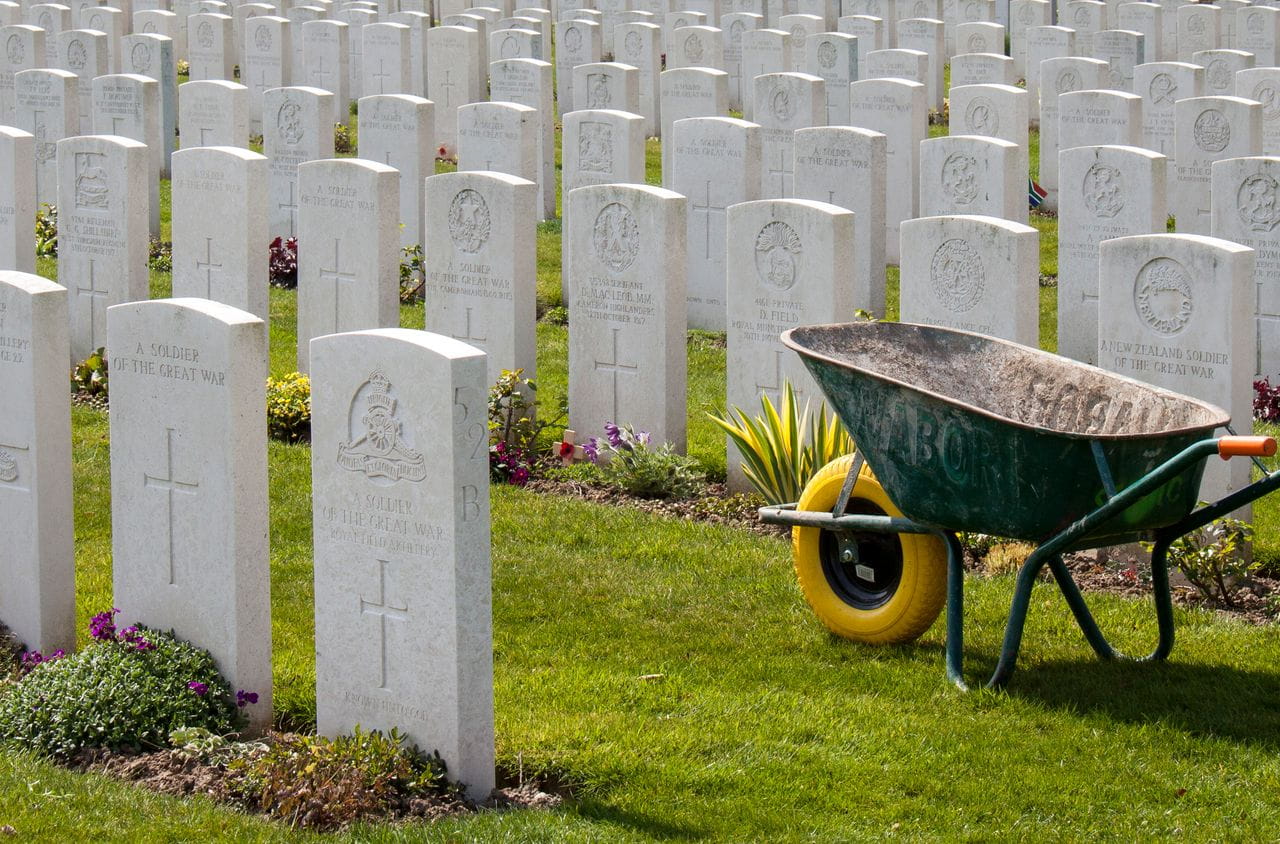
The Belgian WW1 battlefields surrounding Ypres were the site of three major conflicts, collectively known as the Battles of Ypres. Because the German army sought to reach the French coast, the Allied forces fiercely defended the Ypres Salient. The destruction was catastrophic; entire villages were levelled, and the introduction of chemical warfare left permanent scars on history.
The resilient poppy flower, which famously bloomed across the destroyed landscape, inspired John McCrae's iconic poem "In Flanders Fields", forever linking the red poppy to WWI remembrance.
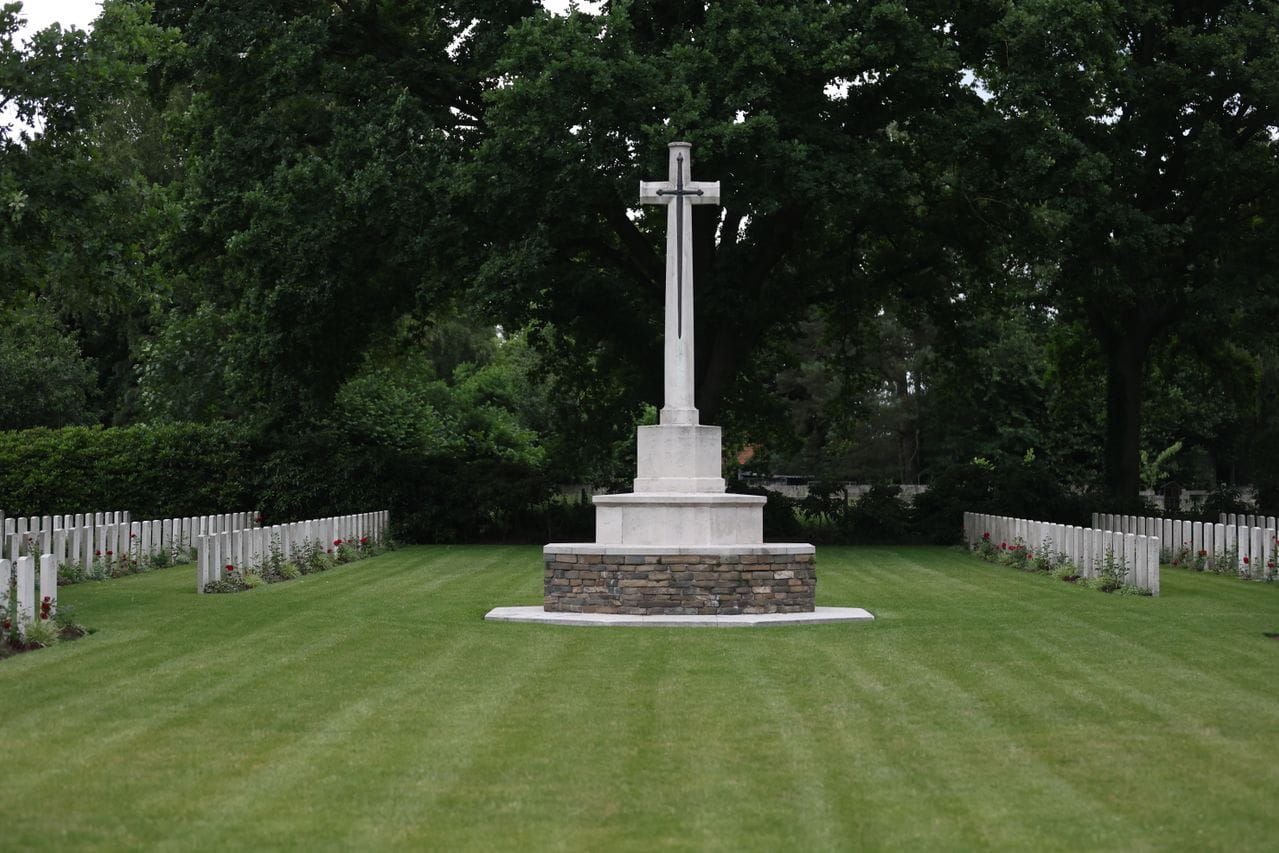
When touring the battlefields in Belgium, these three sites are essential starting points for understanding the scale of the history here.
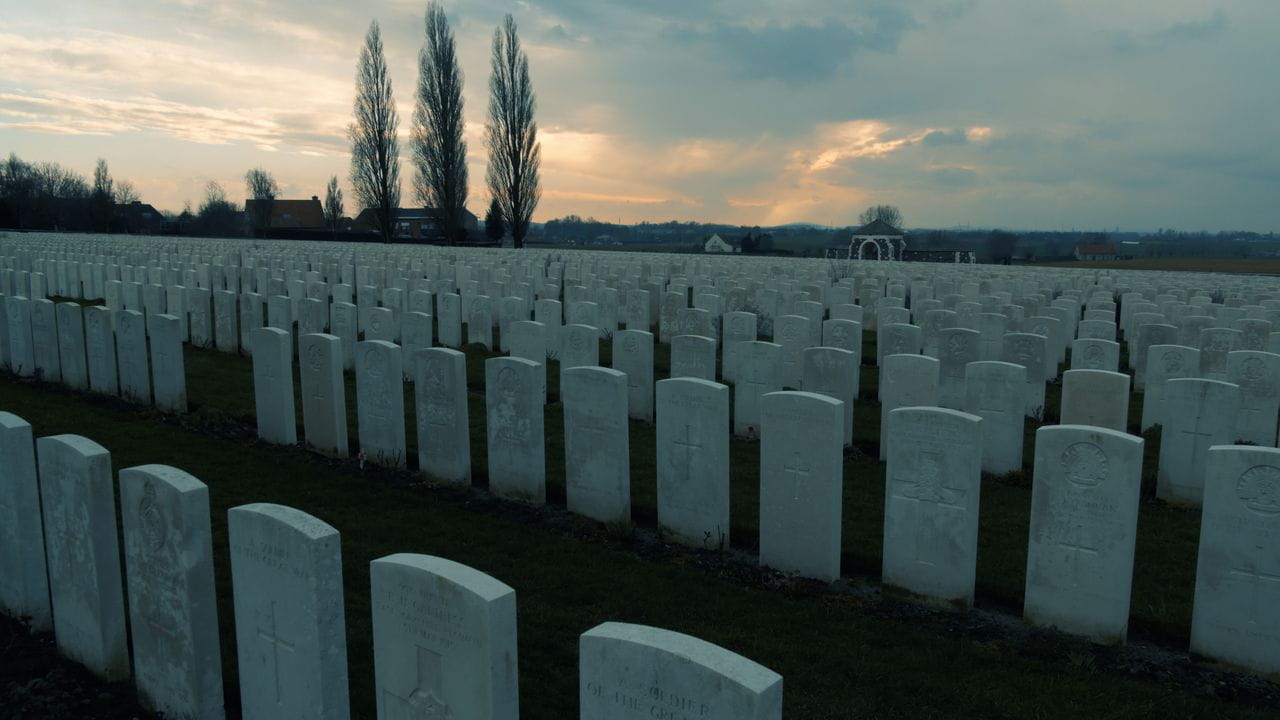
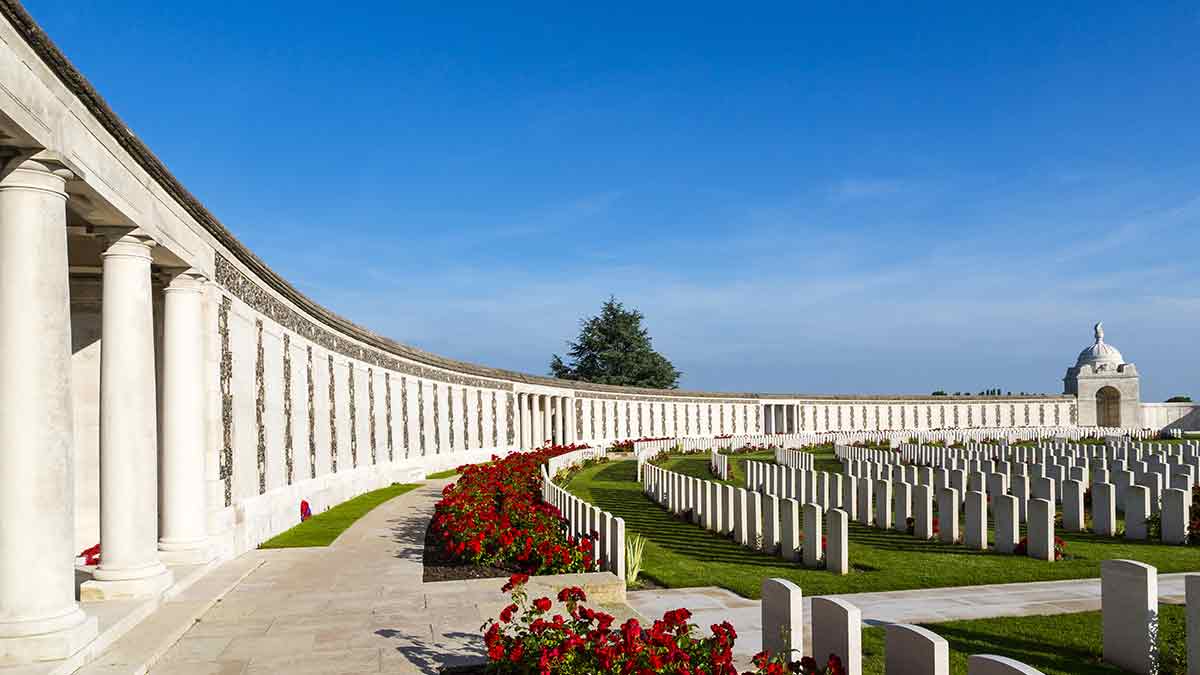
Tyne Cot Cemetery
The Tyne Cot Cemetery is perhaps the most recognised war site in Flanders Fields. This remarkable location is the largest Commonwealth military cemetery in the world, serving as the resting place for 11,954 soldiers.
Overlooking the former battlefields, the memorial wall at the rear of the cemetery bears the names of an additional 35,000 soldiers who have no known grave. The fully accessible visitor centre offers panoramic views over the surrounding Belgian battlefields and provides deep context about the site.
- Opening Hours: Daily from 10:00 to 18:00 (Closed Dec 1 – Jan 31).
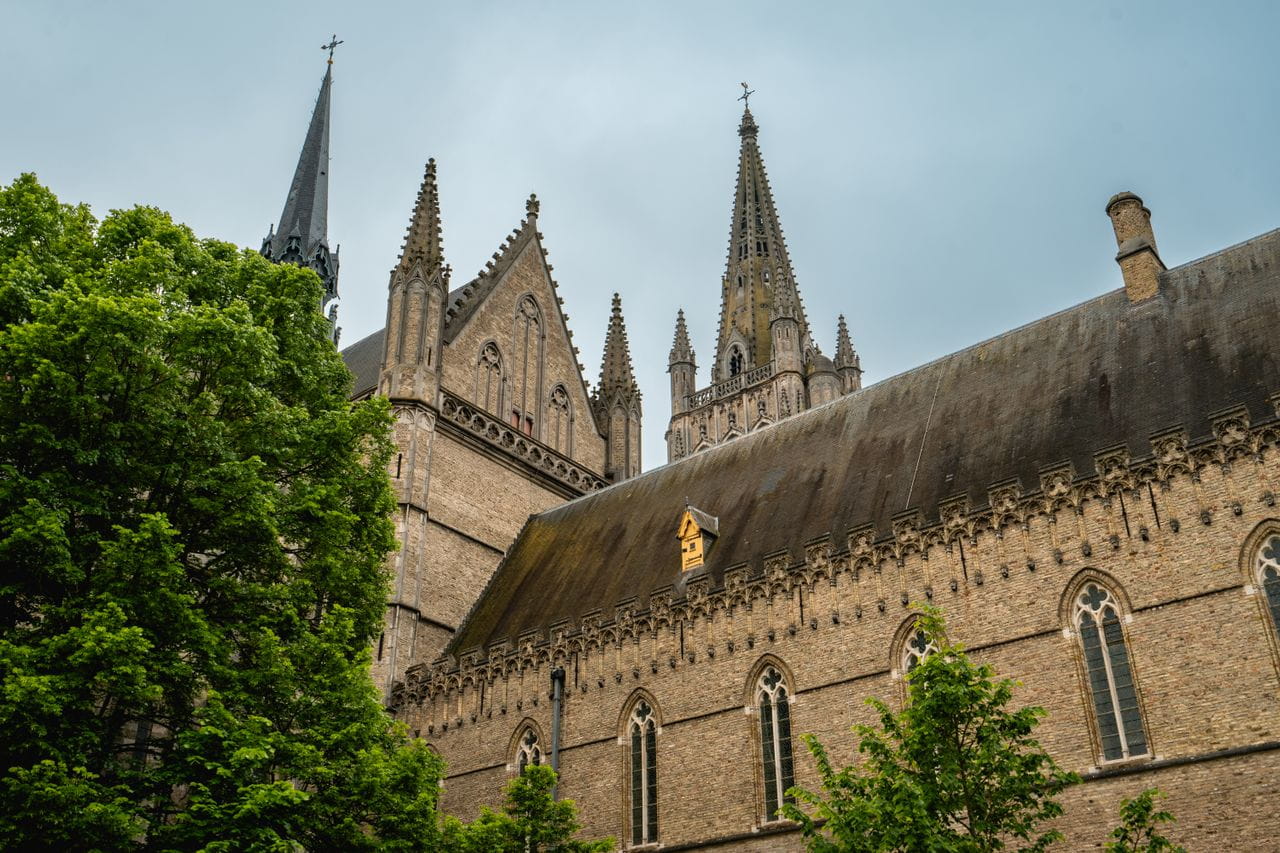
Flanders Fields Museum
Located in the magnificent, reconstructed Cloth Hall in the centre of Ypres, the In Flanders Fields Museum tells the human stories of those who witnessed and fought the Great War.
Featuring state-of-the-art multimedia exhibitions, the museum immerses visitors in the timeline of the conflict, from the initial invasion through the gruelling trench warfare to Armistice Day. It is highly recommended to make this museum your first stop before heading out on a self-guided or organised battlefield tour.
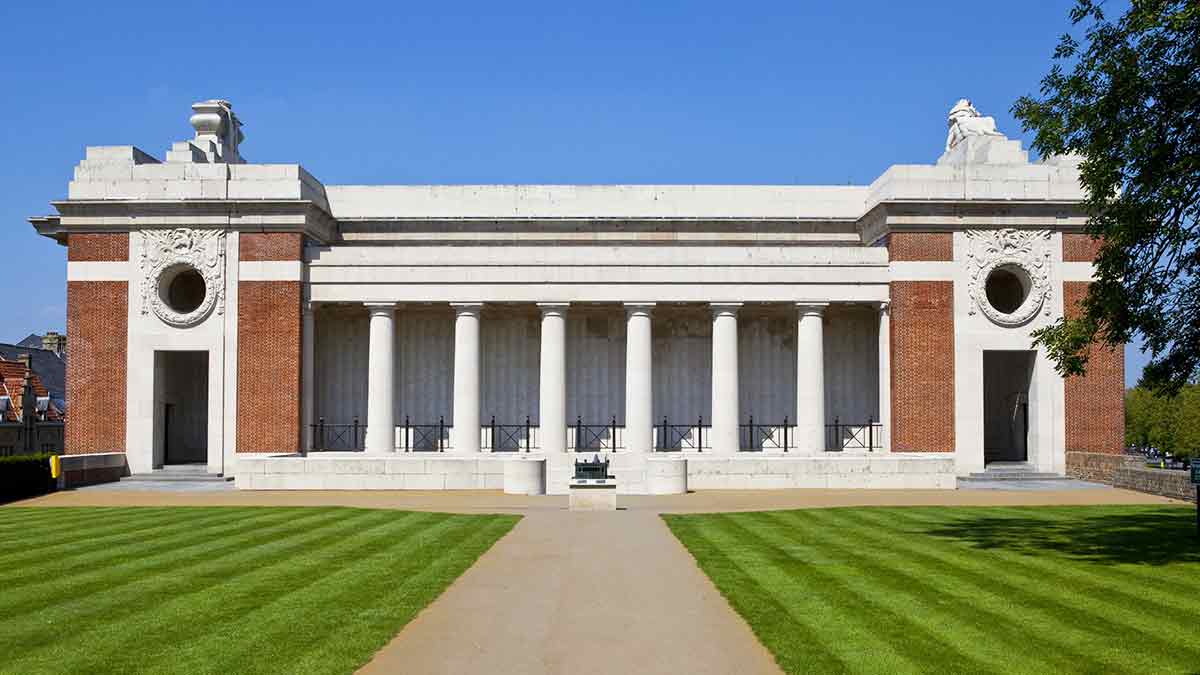
The Menin Gate
If you are looking for the most moving war memorial in Belgium, the Menin Gate in Ypres is unparalleled. The imposing arches of this monument display the names of 54,896 soldiers who went missing in action before August 15, 1917.
Every single evening at 8:00 PM since 1928 (except during WWII occupation), the local fire brigade halts traffic to sound the 'Last Post' under the gate. Observing this bugle call is a deeply emotional experience and a fitting end to a day exploring the region.
In addition to visiting individual museums and memorials, there are a number of tours available throughout the year. Whether you want to take a guided minibus tour or explore independently, there is a lot to choose from.
Self-Guided Trails: The surrounding countryside offers ample opportunities to explore via WW1-themed cycling routes and walking paths.
Accessibility: Many of the major Belgian war memorial sites and visitor centres are fully accessible.
When is the Best Time to Visit Flanders Fields?
While the sites are powerful year-round, visiting around Remembrance Day in November offers a uniquely moving atmosphere.
If you’d like to explore this crucial chapter of world history, book your trip to Flanders, Belgium, today. Wander peacefully through Flanders Fields, discover the history, and honour those who made the ultimate sacrifice.
Things to do in Flanders Fields FAQs
Flanders Fields is a region located in the northern part of Belgium, specifically in the provinces of West Flanders and East Flanders. It is historically significant for being the site of many key battles during World War I, particularly the Battle of Ypres. The area is renowned for its war memorials, cemeteries, and museums, which commemorate the soldiers who fought and died there. The term "Flanders Fields" is famously associated with the poem "In Flanders Fields" by John McCrae.
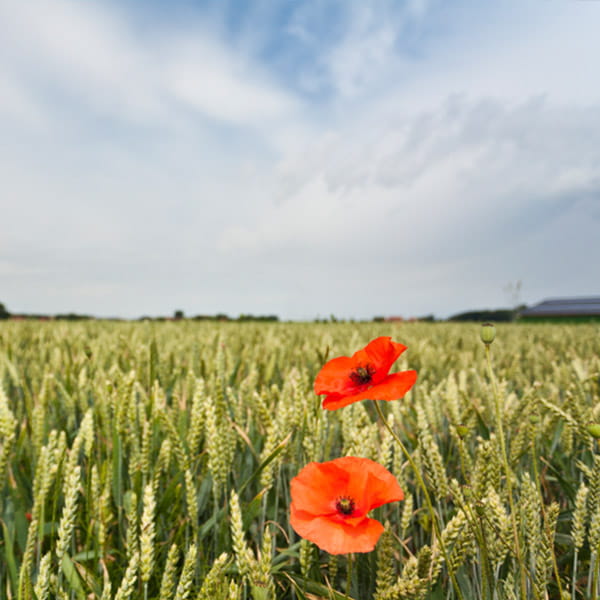
Many people visit Flanders Field to see its poppies and understand the history behind them. Flanders Fields poppies are symbolic flowers associated with the World War I battlefields of Flanders, particularly in Belgium. The poppy became a symbol of remembrance for soldiers who died in the war. The red poppies grew in abundance across the battlefields, thriving in the disturbed soil of the trenches. Today, the poppy serves as a symbol of remembrance for fallen soldiers, particularly around Remembrance Day but are also located around memorials and museums in and amongst Flanders Field.
To reach Flanders Fields from the UK by ferry, take a ferry from Dover to Calais (1.5 hours) and drive to Ypres (1.5 hours), Both routes offer easy access to key historical sites like the Menin Gate and In Flanders Fields Museum. Travelling to Belgium couldn’t be easier with P&O Ferries. Our onboard facilities and amenities ensure there is plenty to do onboard. Don’t worry about forgetting anything even if it is a day trip to Flanders Field as our onboard duty free will offer all the key essentials you will need.
Getting to Flanders Field from Bruges is easy. By car, caravan, or van the drive takes around 30 to 40 minutes. With many different places to visit in Flanders Field you can stop off and visit many WW1 Flanders Fields memorials including Ypres and Passchendaele.
To get to Flanders Fields from Brussels, one of the easiest ways is by driving. Taking approximately 1.5 hours depending on traffic there are lots of sites to visit along the way. Whether it’s a day trip to Flanders Fields or a longer stay, as well as memorials, there are beautiful country walks and bike rides to go on as well as visiting lots of restaurants too.
Book your ferry to Belgium today and start planning your Belgium trip today to explore all the historical and heritage sites as well as Belgium delicacies to fully immerse yourself in the country’s culture, beauty and history.