Help - Pets
Pets
Please enter the number of pets you are travelling with. 'Pet Lounge' and 'Pet in car' options can be added to your booking in the Add Ons section.
Maximum 5 dogs per booking. We do not transport any UK banned breeds of dogs on our vessels.
Please do not add your guide dog here, this should be selected from the Special Assistance drop down menu below. For more information visit our Pet Page.
Help - Pets
Pets
Please enter the number of pets you are travelling with. 'Pet Lounge' and 'Pet in car' options can be added to your booking in the Add Ons section.
Maximum 5 dogs per booking. We do not transport any UK banned breeds of dogs on our vessels.
Please do not add your guide dog here, this should be selected from the Special Assistance drop down menu below. For more information visit our Pet Page.
Help - Pets
Small dog
Small Dog less than 20kg. For more information on travelling with your pet, visit our dedicated page here.Help - Pets
Large dog
Medium Dog 20kg to 35kg. For more information on travelling with your pet, visit our dedicated page here.Help - Pets
Extra large dog
Large Dog 36kg to 45kg. For more information on travelling with your pet, visit our dedicated page here.Help - Pets
Small Pet
Cat or Ferret. For more information on travelling with your pet, visit our dedicated page here.Help - Pets
Other pet
Please contact our friendly customer service team on +44 (0)1304 44 88 88 to ensure we can accommodate your pet.Help - Pets
Small dog
Small Dog less than 20kg. For more information on travelling with your pet, visit our dedicated page here.Help - Pets
Large dog
Medium Dog 20kg to 35kg. For more information on travelling with your pet, visit our dedicated page here.Help - Pets
Extra large dog
Large Dog 36kg to 45kg. For more information on travelling with your pet, visit our dedicated page here.Help - Pets
Small Pet
Cat or Ferret. For more information on travelling with your pet, visit our dedicated page here.Help - Pets
Other pet
Please contact our friendly customer service team on +44 (0)1304 44 88 88 to ensure we can accommodate your pet.Help - Pets
Pet Staying in Car
On our Cairnryan to Larne route pets are welcome and can travel free of charge at all times. Maximum 5 pets per booking. Please note, pets must remain in the vehicle at all times during the crossing. Commercial pet travel should be booked via our freight website, for more information and guidance on if your journey is commercial, please click here.Help - Pets
Pet Staying in Car
On our Cairnryan to Larne route pets are welcome and can travel free of charge at all times. Maximum 5 pets per booking. Please note, pets must remain in the vehicle at all times during the crossing. Commercial pet travel should be booked via our freight website, for more information and guidance on if your journey is commercial, please click here.Please note
More than 9 of you travelling?
Please contact our friendly customer service team on
Special assistance required
Please select one of the options from the drop down menu. If you are travelling on our Dover to Calais route as a foot passenger and have selected the need for special assistance, please ensure you inform us of your needs at least 48hrs in advance of travel. If you need to speak with our contact centre please call
Vehicle size (Including roof luggage)
Vehicle size (Including roof luggage)
Vehicle size (Including roof luggage)
Vehicle size (Including roof luggage)
Trailer/Caravan Size
Trailer/Caravan Size
Trailer/Caravan Size
Trailer/Caravan Size
Vehicle size (Including roof luggage)
Vehicle size (Including roof luggage)
Vehicle size (Including roof luggage)
Vehicle size (Including roof luggage)
Trailer/Caravan Size
Trailer/Caravan Size
Trailer/Caravan Size
Trailer/Caravan Size
Vehicle size (Including roof luggage)
Vehicle size (Including roof luggage)
Vehicle size (Including roof luggage)
Vehicle size (Including roof luggage)
Trailer/Caravan Size
Trailer/Caravan Size
Trailer/Caravan Size
Trailer/Caravan Size
Vehicle size (Including roof luggage)
Vehicle size (Including roof luggage)
Vehicle size (Including roof luggage)
Vehicle size (Including roof luggage)
Trailer/Caravan Size
Trailer/Caravan Size
Trailer/Caravan Size
Trailer/Caravan Size
Vehicle size (Including roof luggage)
Vehicle size (Including roof luggage)
Vehicle size (Including roof luggage)
Vehicle size (Including roof luggage)
Trailer/Caravan Size
Trailer/Caravan Size
Trailer/Caravan Size
Trailer/Caravan Size
Trailer/Caravan Size
Trailer/Caravan Size
Vehicle size (Including roof luggage)
Vehicle size (Including roof luggage)
Vehicle size (Including roof luggage)
Vehicle size (Including roof luggage)
Trailer/Caravan Size
Trailer/Caravan Size
Trailer/Caravan Size
Trailer/Caravan Size
Trailer/Caravan Size
Trailer/Caravan Size
Please contact our friendly customer service team on
Please select one of the options from the drop down menu. If you are travelling on our Dover to Calais route as a foot passenger and have selected the need for special assistance, please ensure you inform us of your needs at least 48hrs in advance of travel. If you need to speak with our contact centre please call
Please contact our friendly customer service team on
Please enter the number of pets you are travelling with. 'Pet Lounge' and 'Pet in car' options can be added to your booking in the Add Ons section.
Maximum 5 dogs per booking. We do not transport any UK banned breeds of dogs on our vessels.
Please do not add your guide dog here, this should be selected from the Special Assistance drop down menu below. For more information visit our Pet Page.
Please enter the number of pets you are travelling with. 'Pet Lounge' and 'Pet in car' options can be added to your booking in the Add Ons section.
Maximum 5 dogs per booking. We do not transport any UK banned breeds of dogs on our vessels.
Please do not add your guide dog here, this should be selected from the Special Assistance drop down menu below. For more information visit our Pet Page.
Please select one of the options from the drop down menu. If you are travelling on our Dover to Calais route as a foot passenger and have selected the need for special assistance, please ensure you inform us of your needs at least 48hrs in advance of travel. If you need to speak with our contact centre please call
Please contact our friendly customer service team on
Please select one of the options from the drop down menu. If you are travelling on our Dover to Calais route as a foot passenger and have selected the need for special assistance, please ensure you inform us of your needs at least 48hrs in advance of travel. If you need to speak with our contact centre please call
 France
Things to do in Normandy
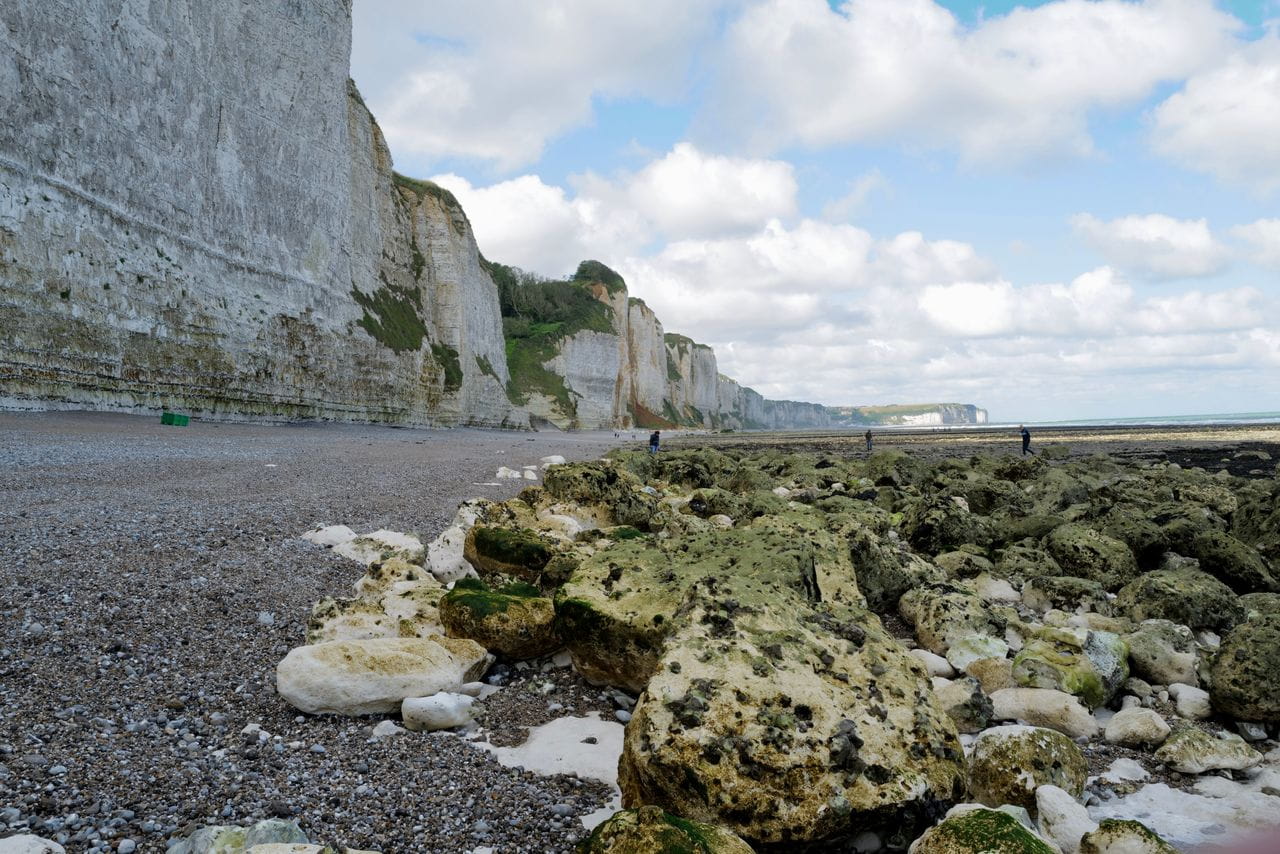
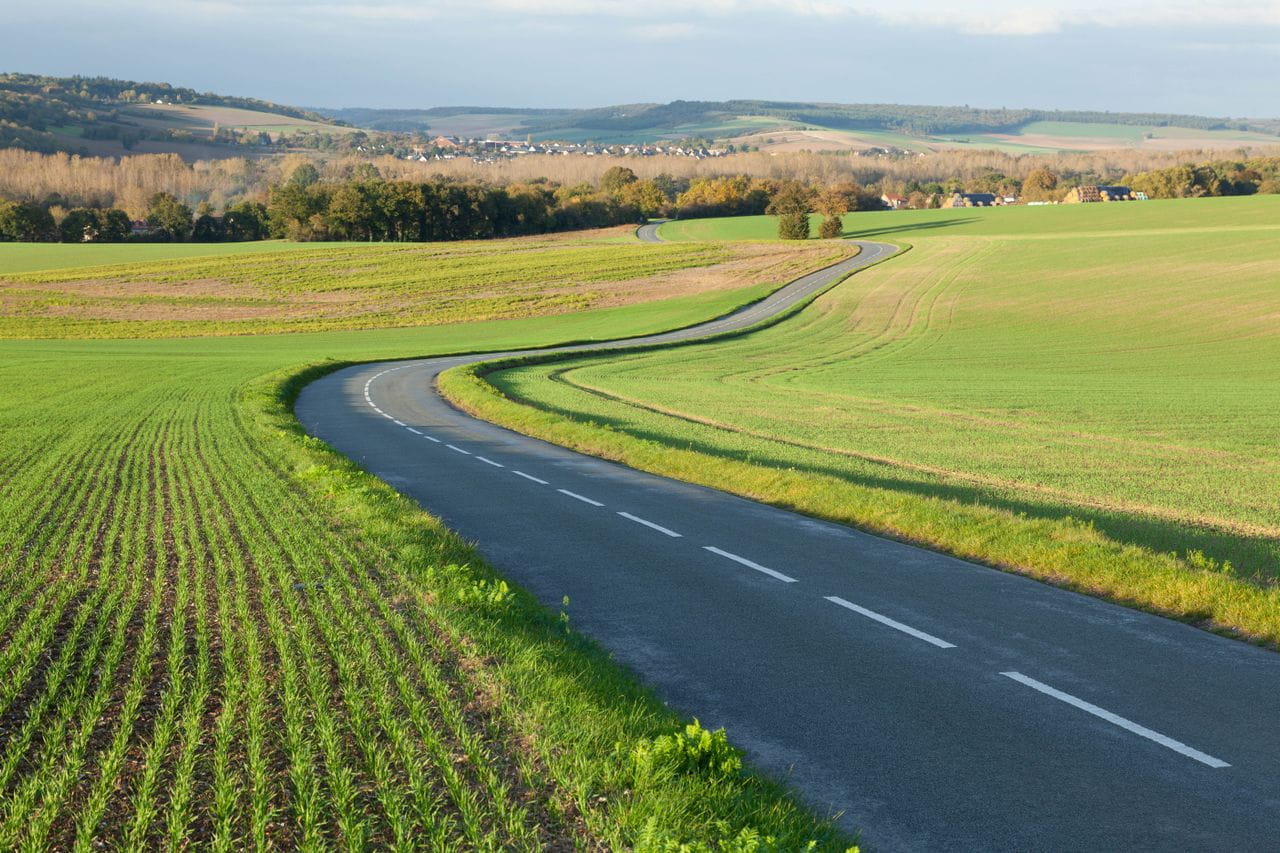
Known for its stunning coastline, rustic landscapes, and rich culture and heritage, Normandy offers plenty to do, making it a perfect destination for a diverse trip and a great self-drive holiday option too.
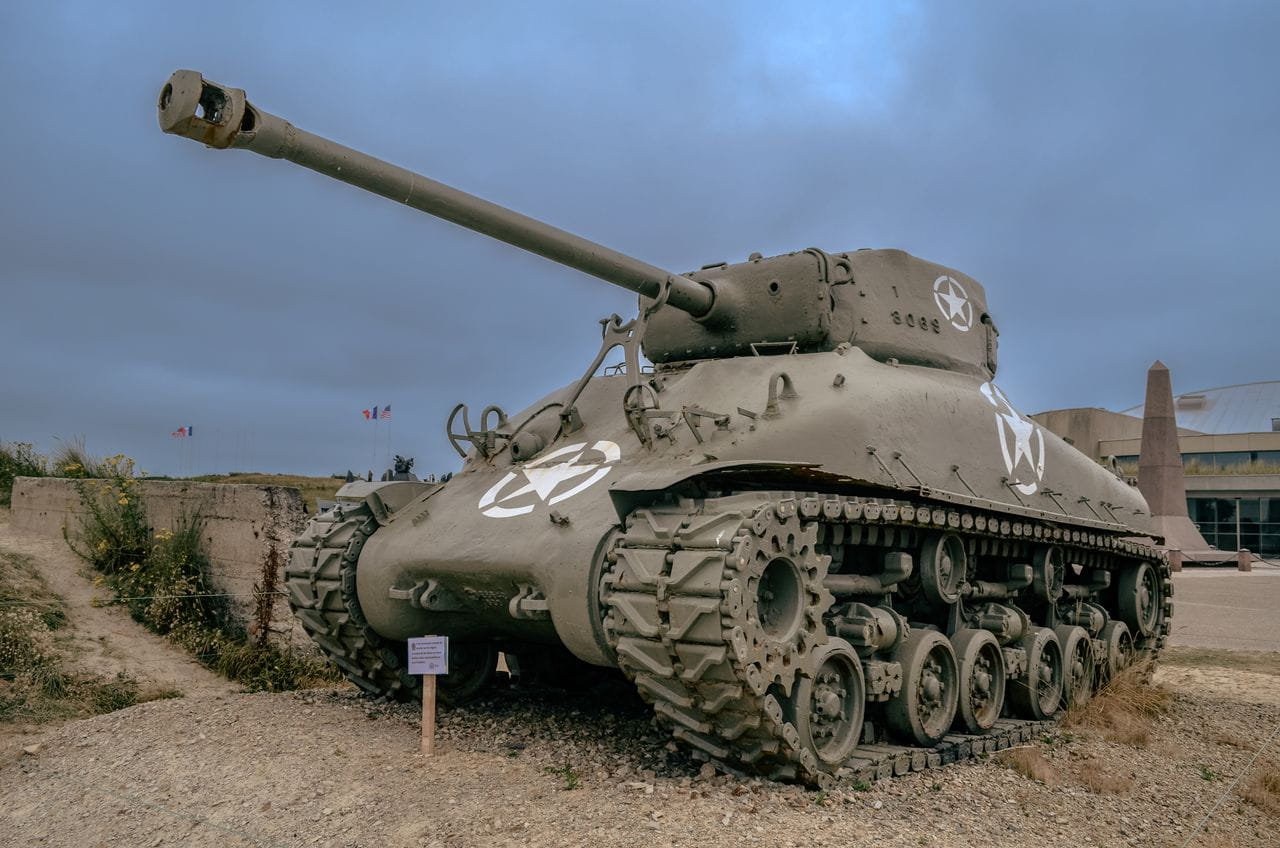
With many links to World War II, plenty of well-known towns to explore, and some popular Normandy attractions to discover, there’s a whole range of things to do in Normandy, no matter what you enjoy doing during your time away.
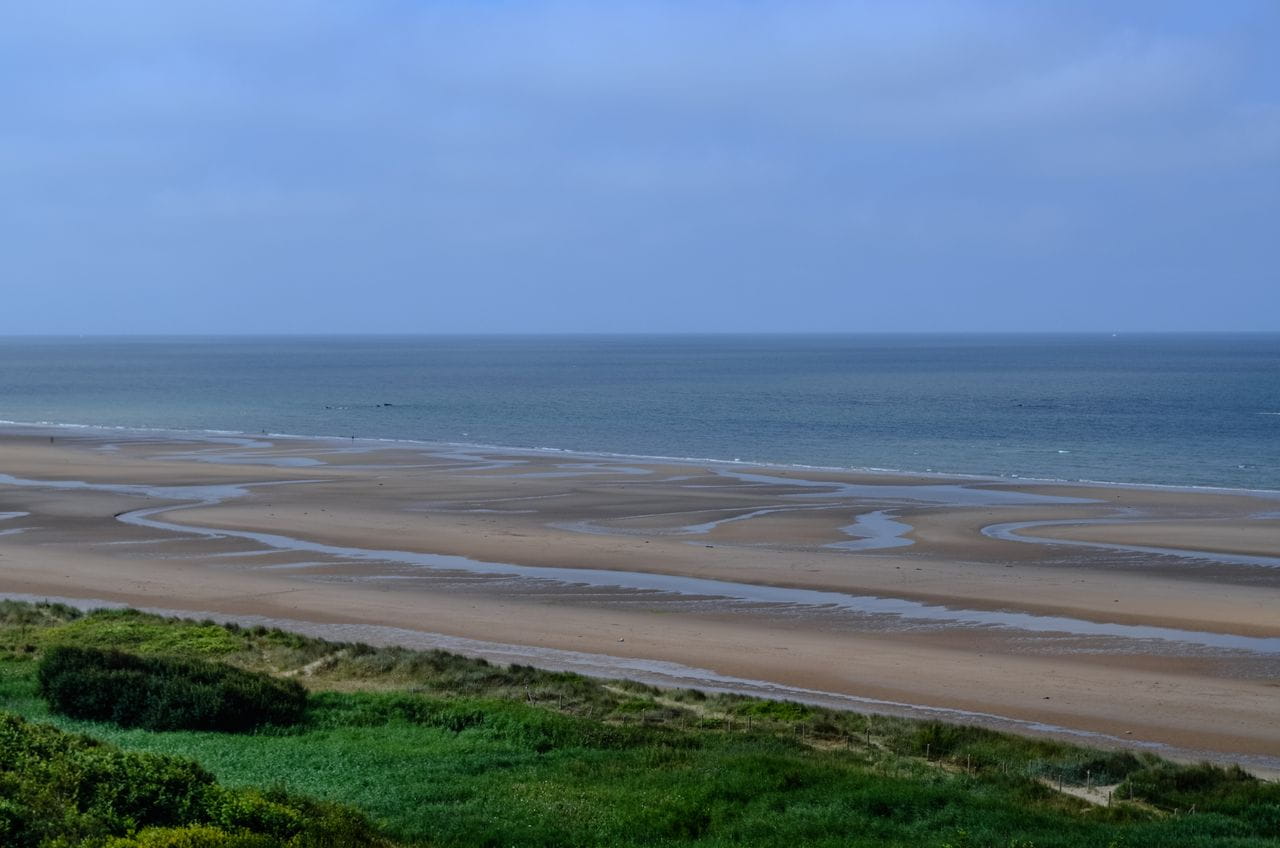
Did you know? The D-Day Landing beaches have been inscribed on the UNESCO World Heritage List. This act of remembrance not only honours a truly remarkable legacy with the world but helps protect it for future generations.
You can reach Normandy in around two hours from the port in Calais via the beautiful city of Le Mans, so when you take your car to France you can start exploring all the places to visit in Normandy straight away. Start your trip right by booking onto our Club Lounge when you book our ferries to France.
DVR
Dover
CQF
Calais
|
Morning |
02:00 |
04:25 |
06:50 |
09:15 |
|
Midday |
11:40 |
|||
|
Afternoon |
14:05 |
16:30 |
||
|
Evening |
18:55 |
21:15 |
23:40 |